Chinese Velvet Tapestry
Chinese wool needlepoint tapestry, also known as wool embroidery, is a traditional handicraft that involves embroidering with colored wool yarn on a special mesh canvas. Originating in Europe, it was introduced to China in the early 20th century and later integrated with traditional Chinese embroidery techniques, forming its own distinct characteristics.
Features:
1.  Rich Colors: Uses wool yarn to create delicate gradients of light, shadow, and color.
2.  Strong Three-Dimensional Effect: The images are thick and full, resembling oil paintings, earning it the nickname "Oriental Oil Painting."
3.  Unique Technique: Often worked without a pre-drawn pattern, following a design by "counting threads" on the grid. Techniques include splitting threads and blending colors.
4.  Durable and Long-Lasting: Wool materials are fade-resistant, allowing the artwork to be preserved for a long time.
Uses: Primarily for creating large-scale art murals, portraits, landscape paintings, etc. Commonly seen in palaces, hotels, and other public spaces, it is also used as high-end decorative art.
Today, forms such as Shanghai wool needlepoint and Yantai wool needlepoint have been listed as National Intangible Cultural Heritage of China.
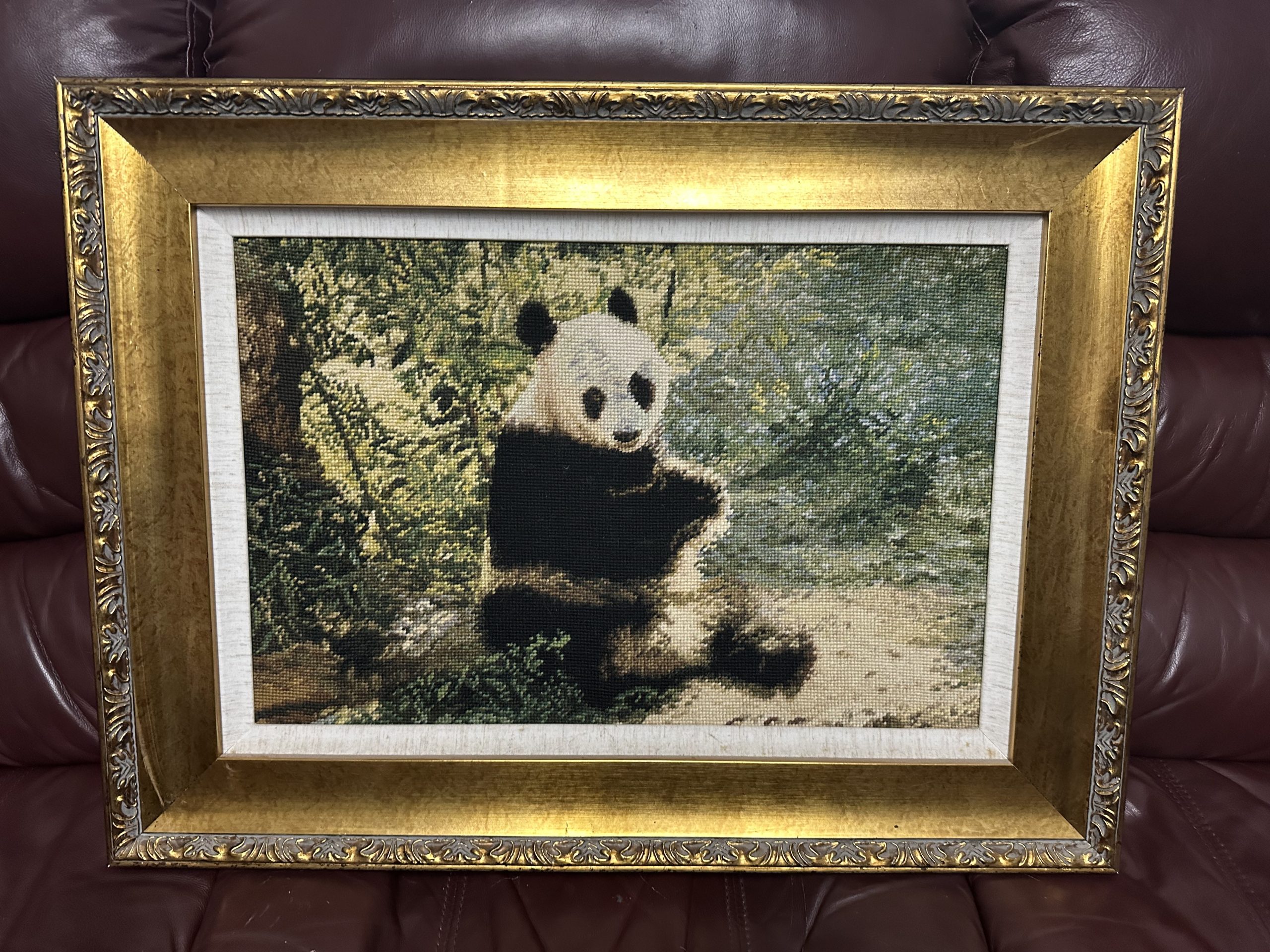
Panda Wool Needlepoint Art
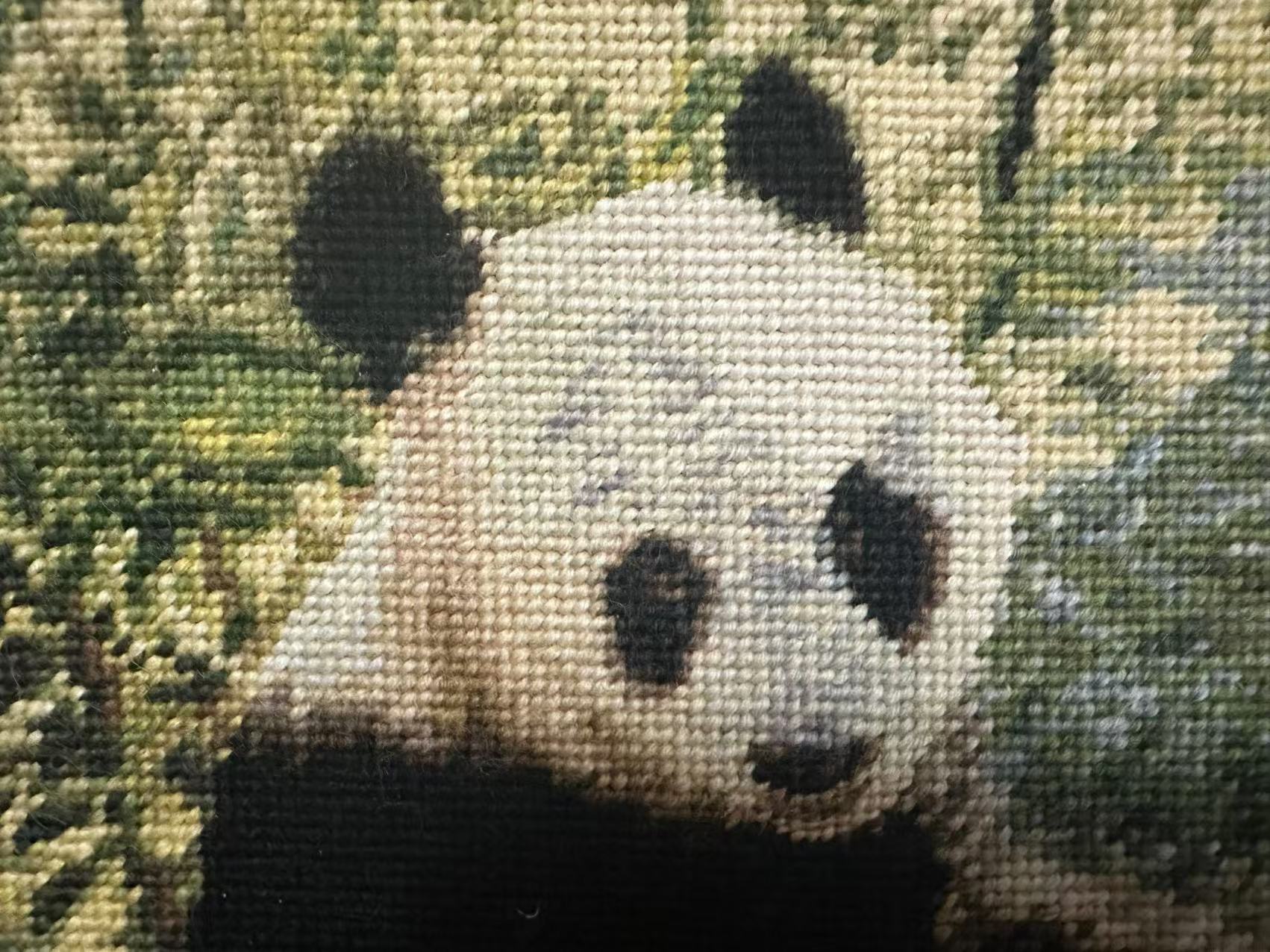
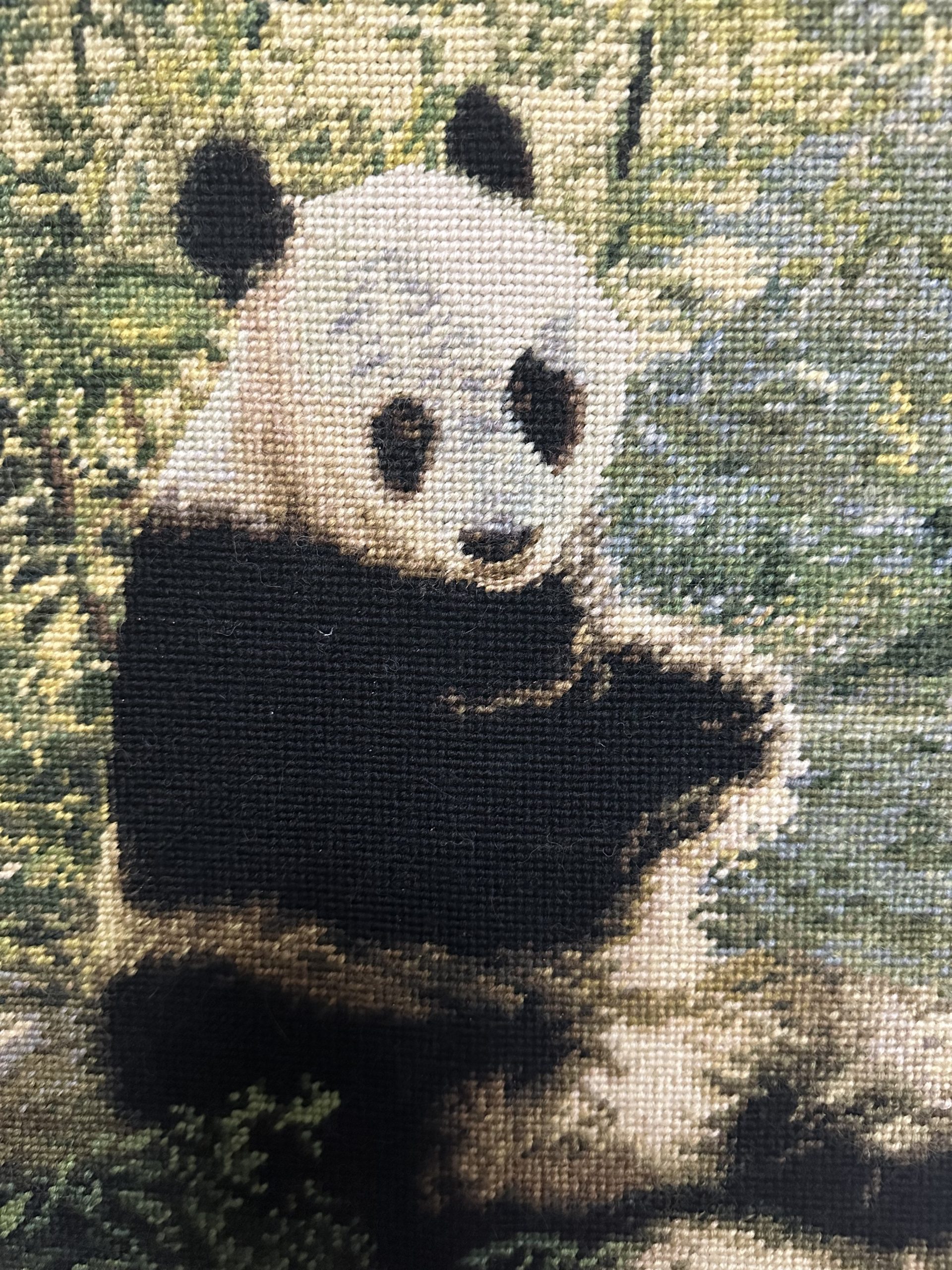
The Oriental Gem – Panda Wool Needlepoint Art.
This exquisite panda wool needlepoint piece, themed around China’s national treasure, vividly captures the charm of Eastern art. Utilizing the intangible cultural heritage technique of Chinese wool needlepoint, it is embroidered with wool yarn, boasting rich layers, a substantial texture, and an artistic effect reminiscent of oil painting. The panda appears lifelike, almost animated when viewed from a distance. For daily care, simply wipe gently with a damp cloth to maintain its beauty over time. It adds a naturally warm and artistic atmosphere to any living space, making it an ideal gift for loved ones or a delightful accent for your own home.
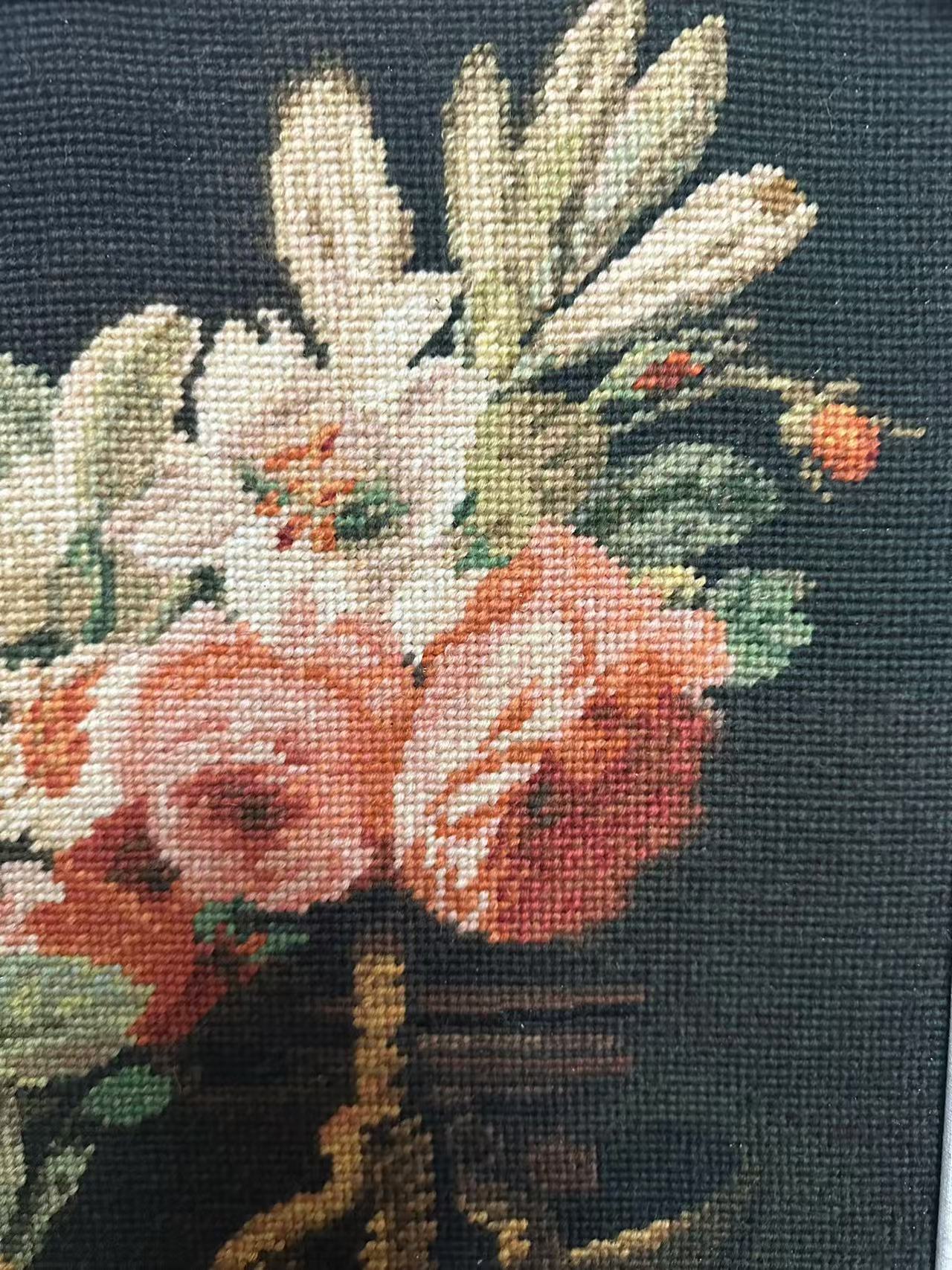
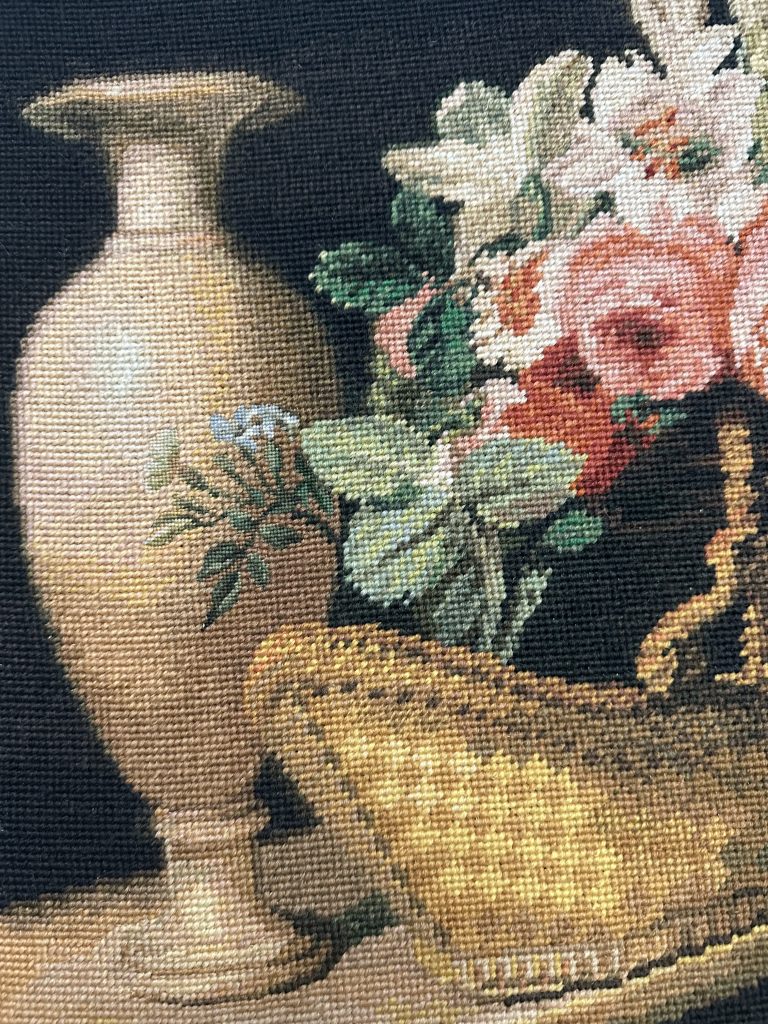
Wool Needlepoint Artwork: Antoine Berjon’s “Flowers”
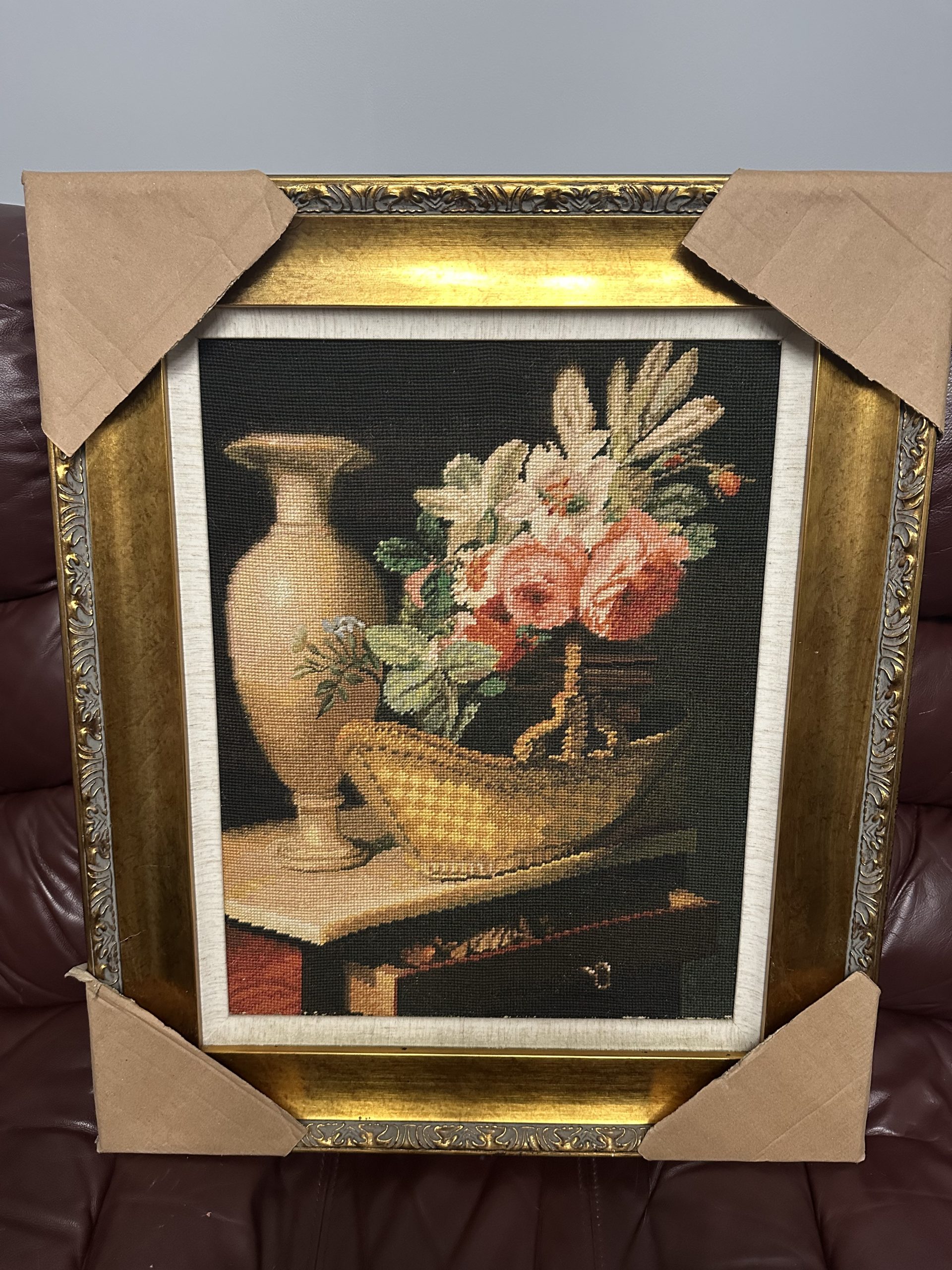
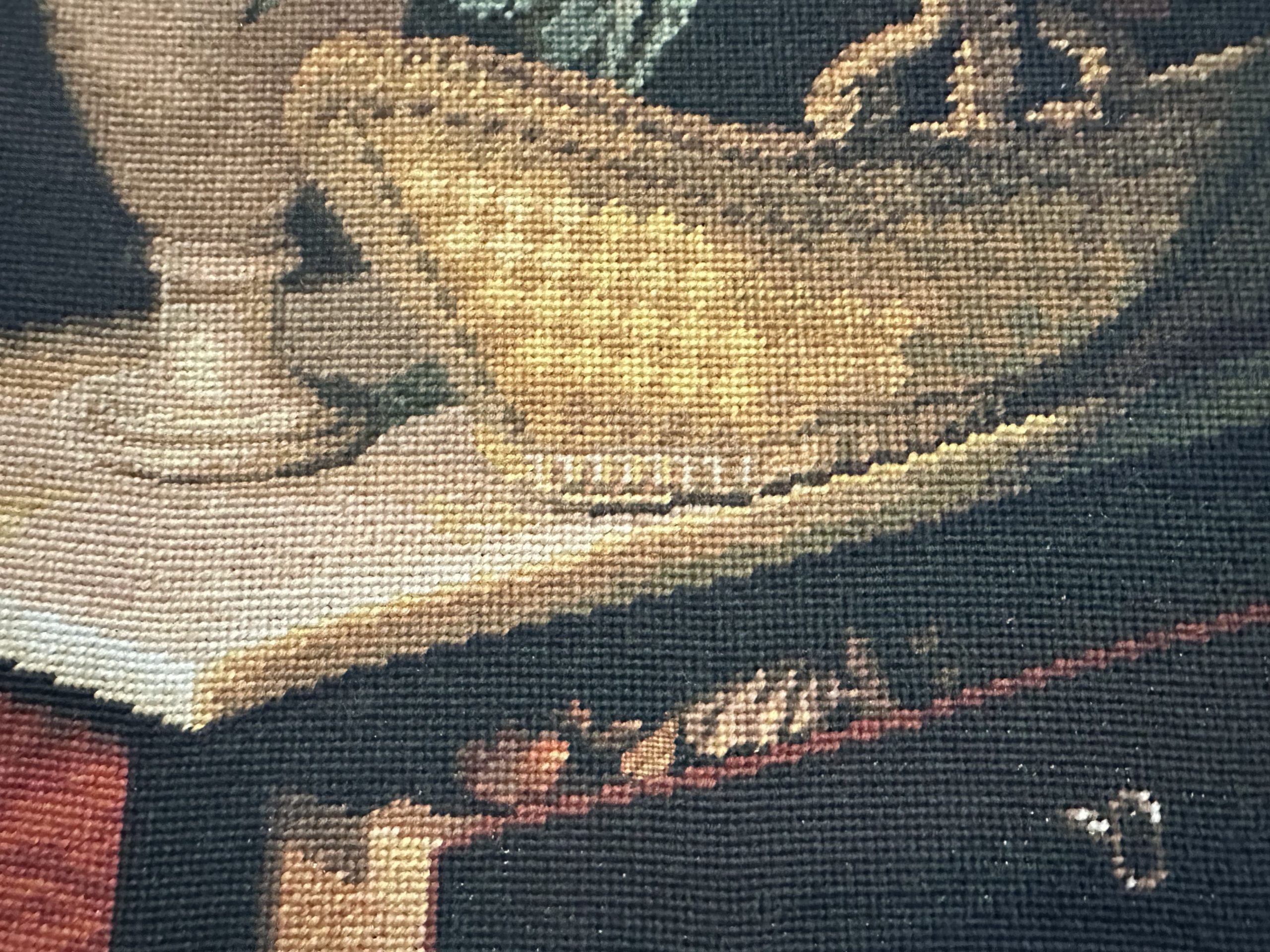
The Beauty of Wool Needlepoint Adorning the “Oriental Oil Painting” – Antoine Berjon’s “Flowers”
This wool needlepoint piece, “Flowers” (after Antoine Berjon), beautifully translates the charm of oil painting through the medium of embroidery. Utilizing techniques from China’s intangible cultural heritage of wool needlepoint, it captures rich colors and delicate layers with refined stitching. Known as the “Oriental oil painting,” it adds an elegant touch to any space—be it a living room or study—bringing both sophistication and tranquility. Easy to maintain, simply dust it gently without using detergents to preserve its beauty. Ideal for those who appreciate detail-oriented aesthetics, it blends tradition with contemporary art, enriching everyday life with timeless grace.
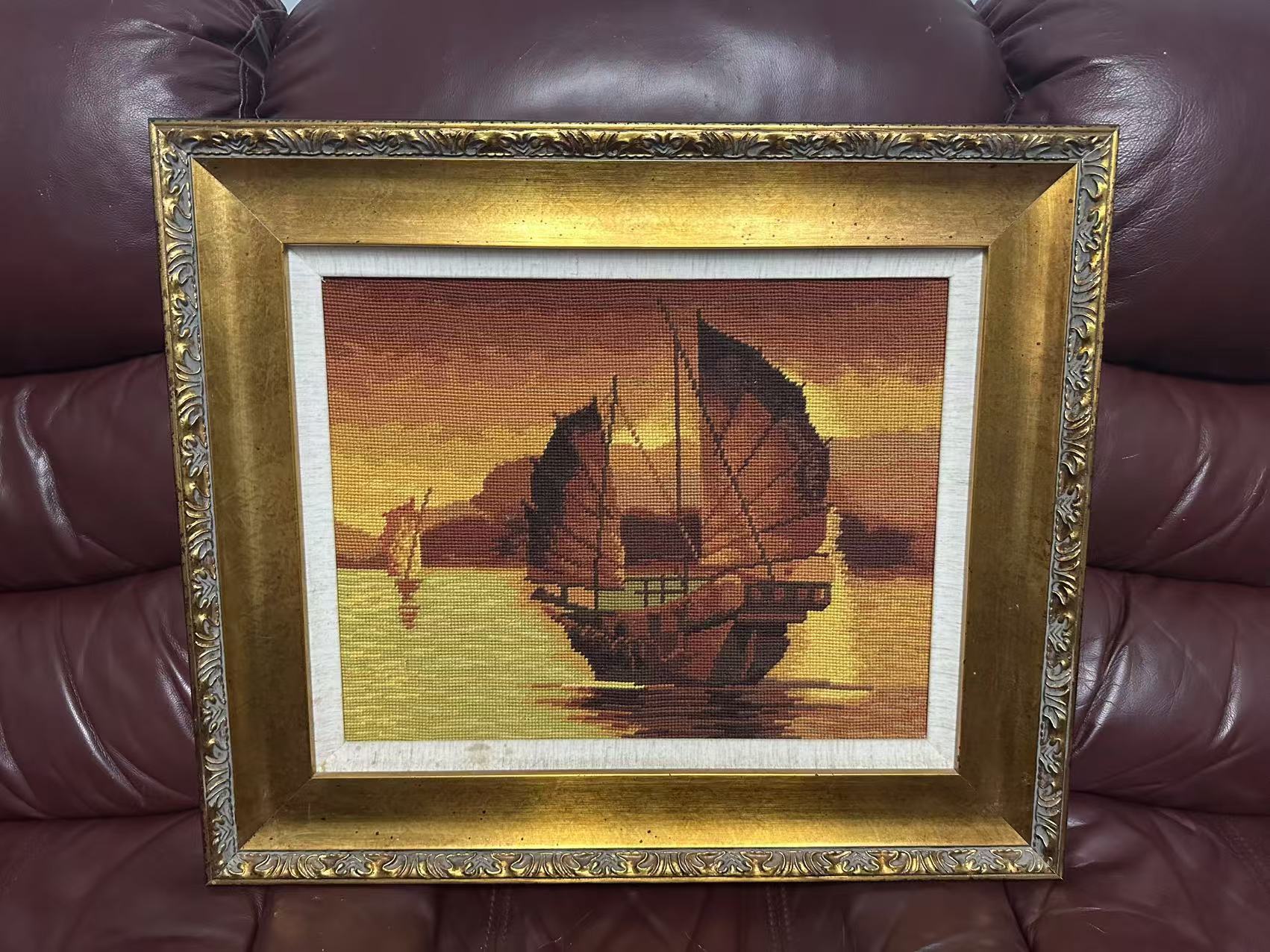
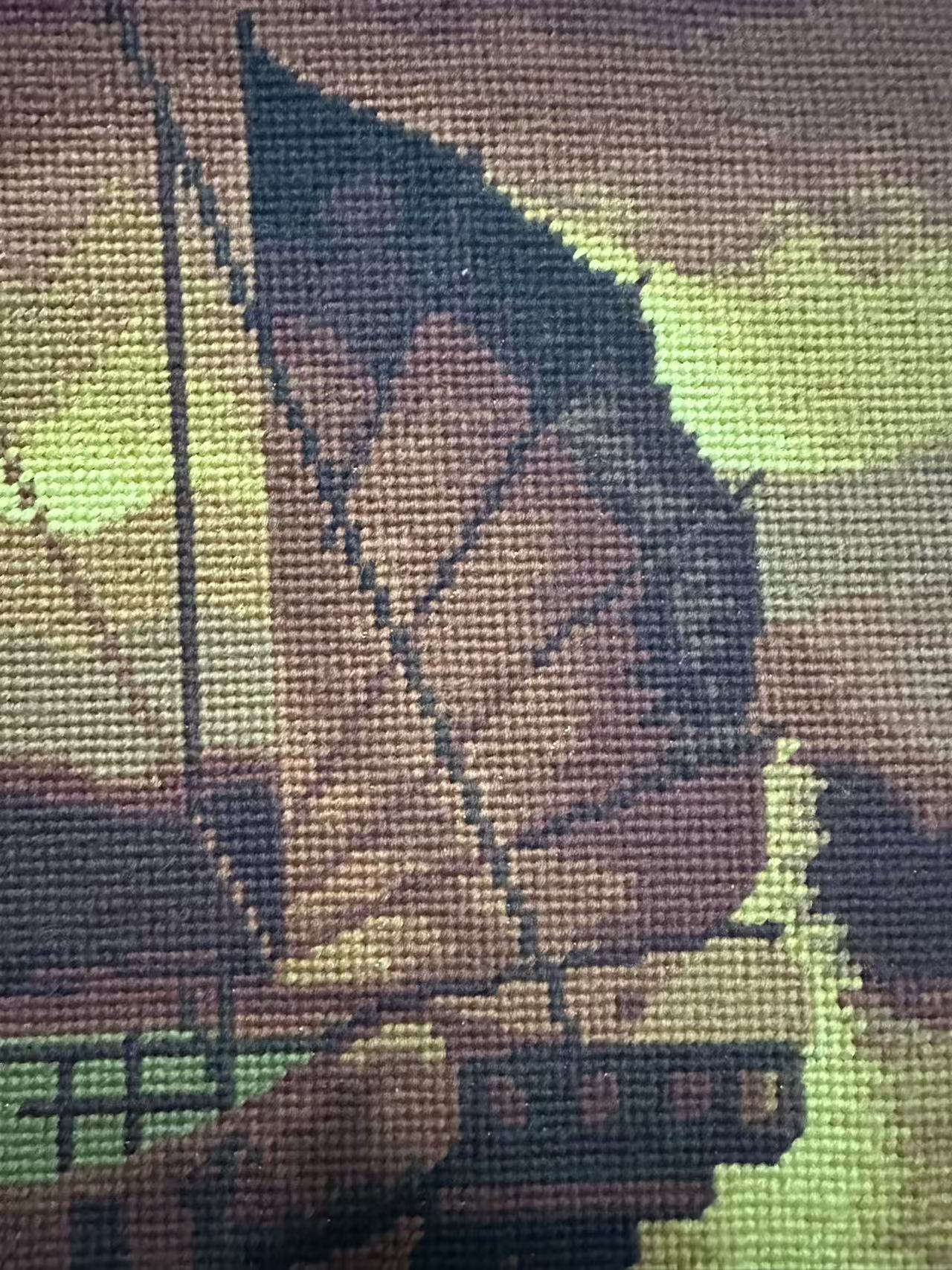
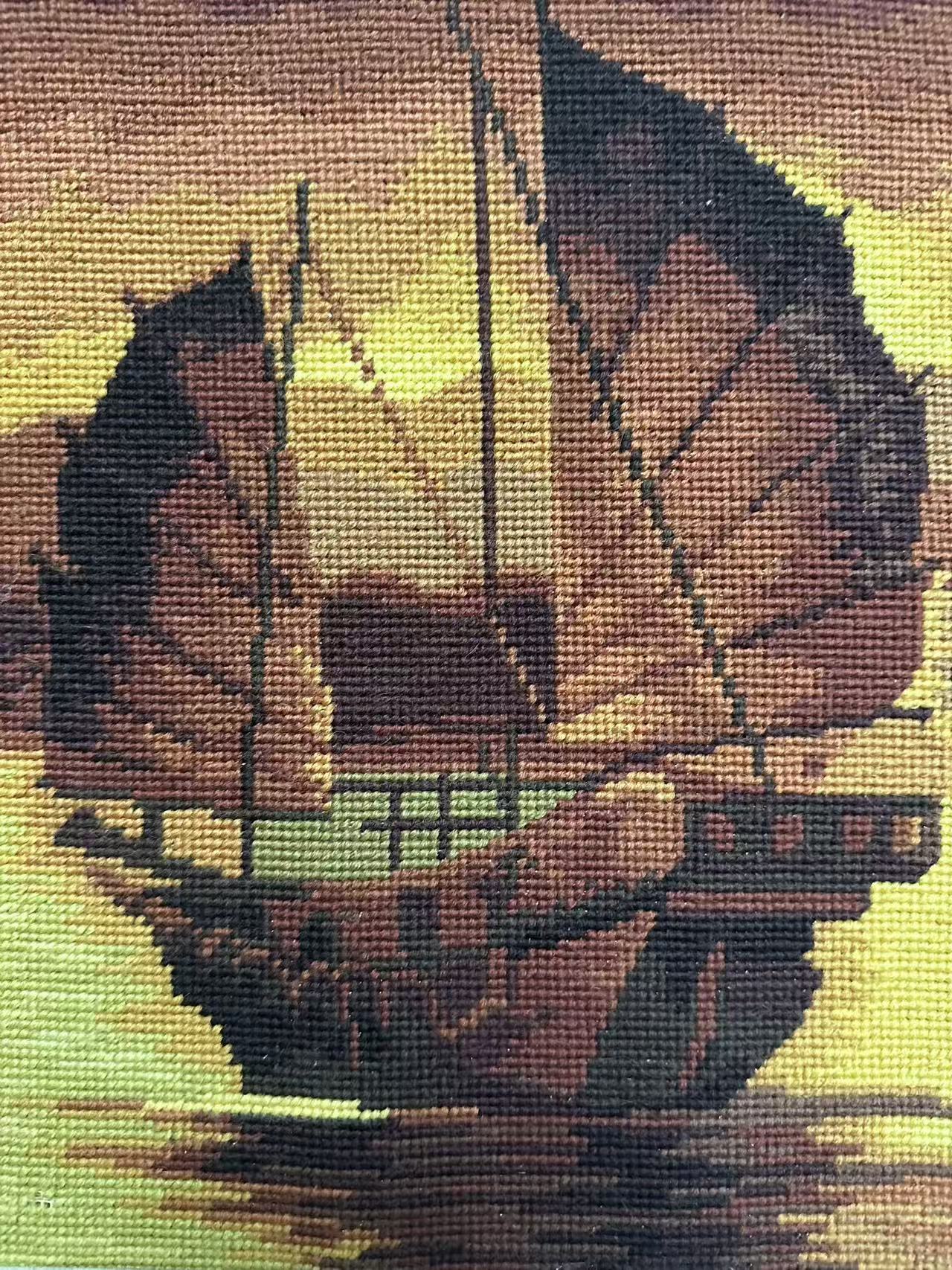
Embroidery Artwork: “Fair Winds and Following Seas”
Embroidery Artwork “Smooth Sailing”
This magnificent embroidery piece, hailed as the “Oriental Oil Painting,” is crafted with intangible cultural heritage techniques. Featuring a harmonious blend of brown and yellow, it depicts a sailing ship symbolizing “smooth sailing”—success and prosperity. The rich layering of the embroidery draws viewers in, as if unveiling new vistas with each gaze. Its unique texture, created with bold needlework, adds an elegant touch to any interior. Easy to maintain, simply wipe gently to preserve its beauty. Perfect for those wishing for business success or seeking a space filled with positive energy. Let it bring abundant inspiration and fortune to your surroundings.
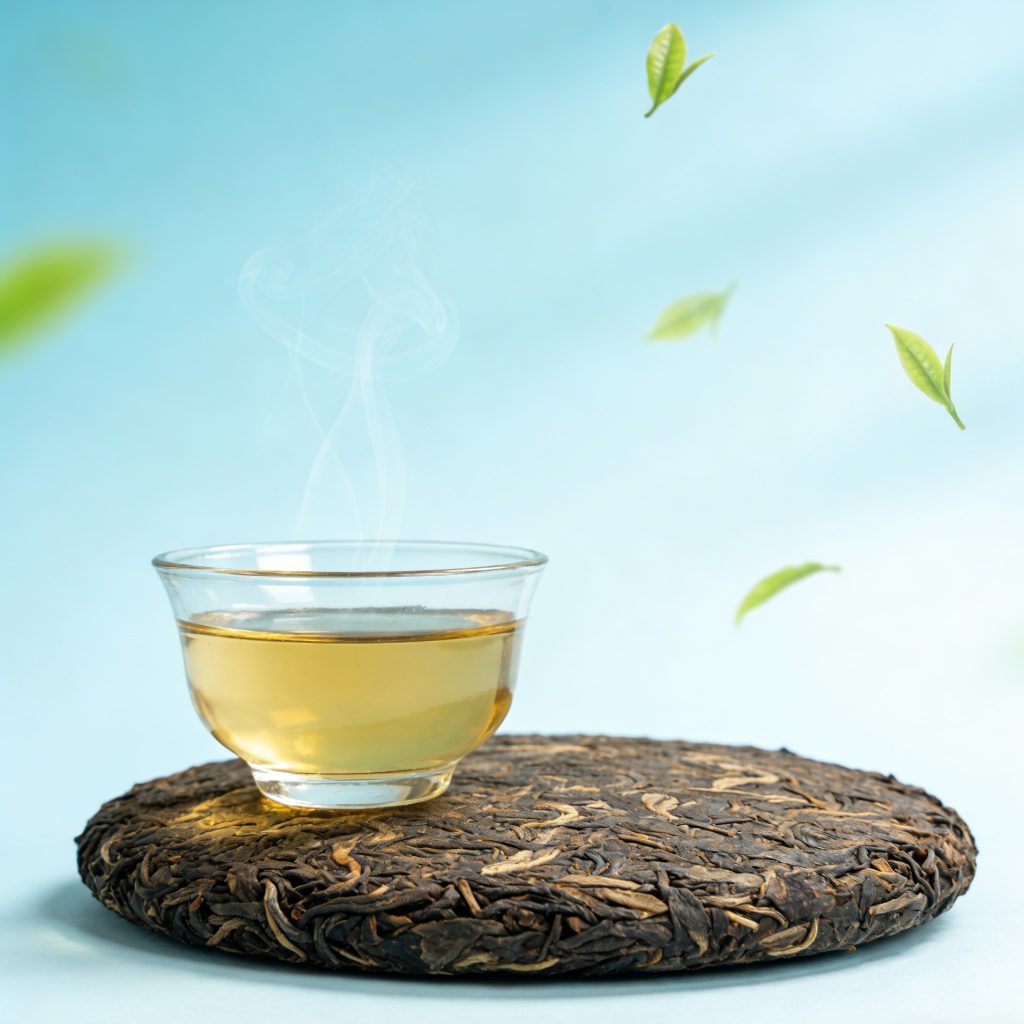
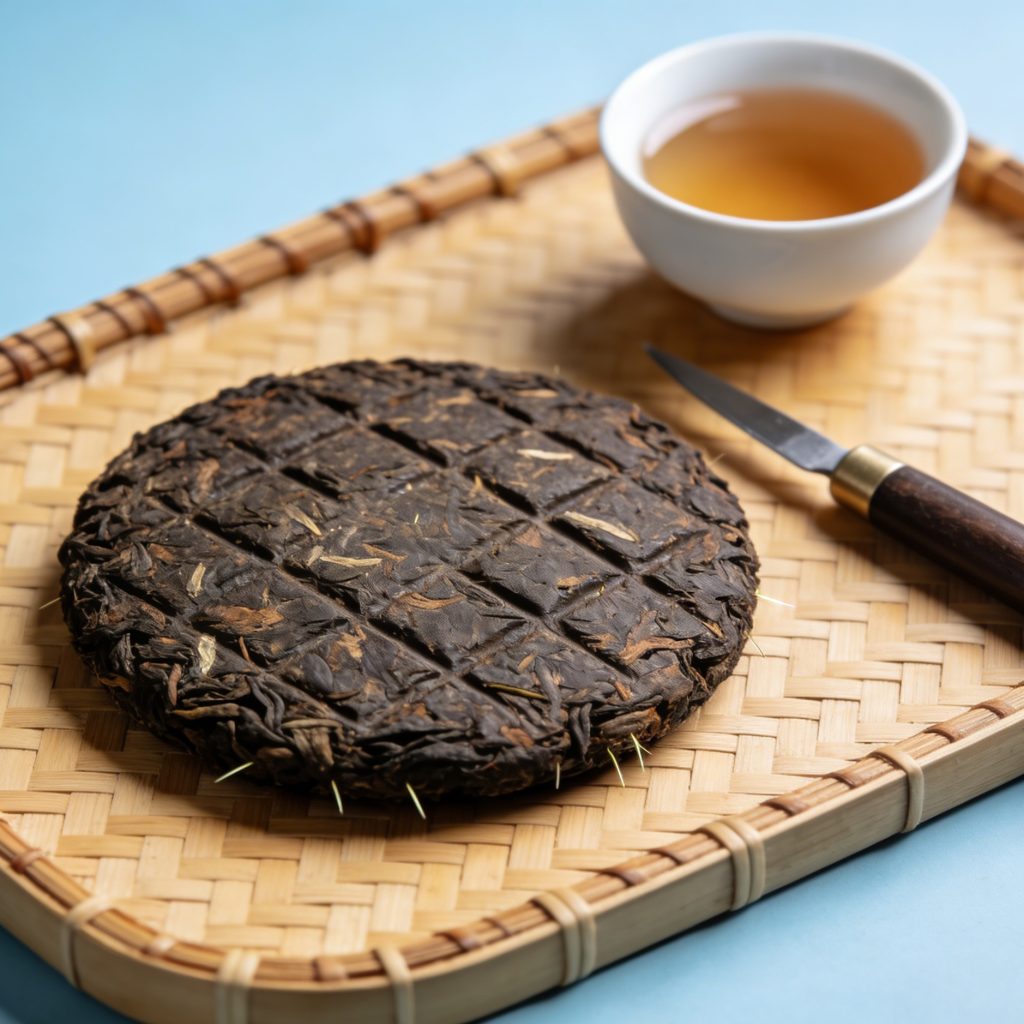
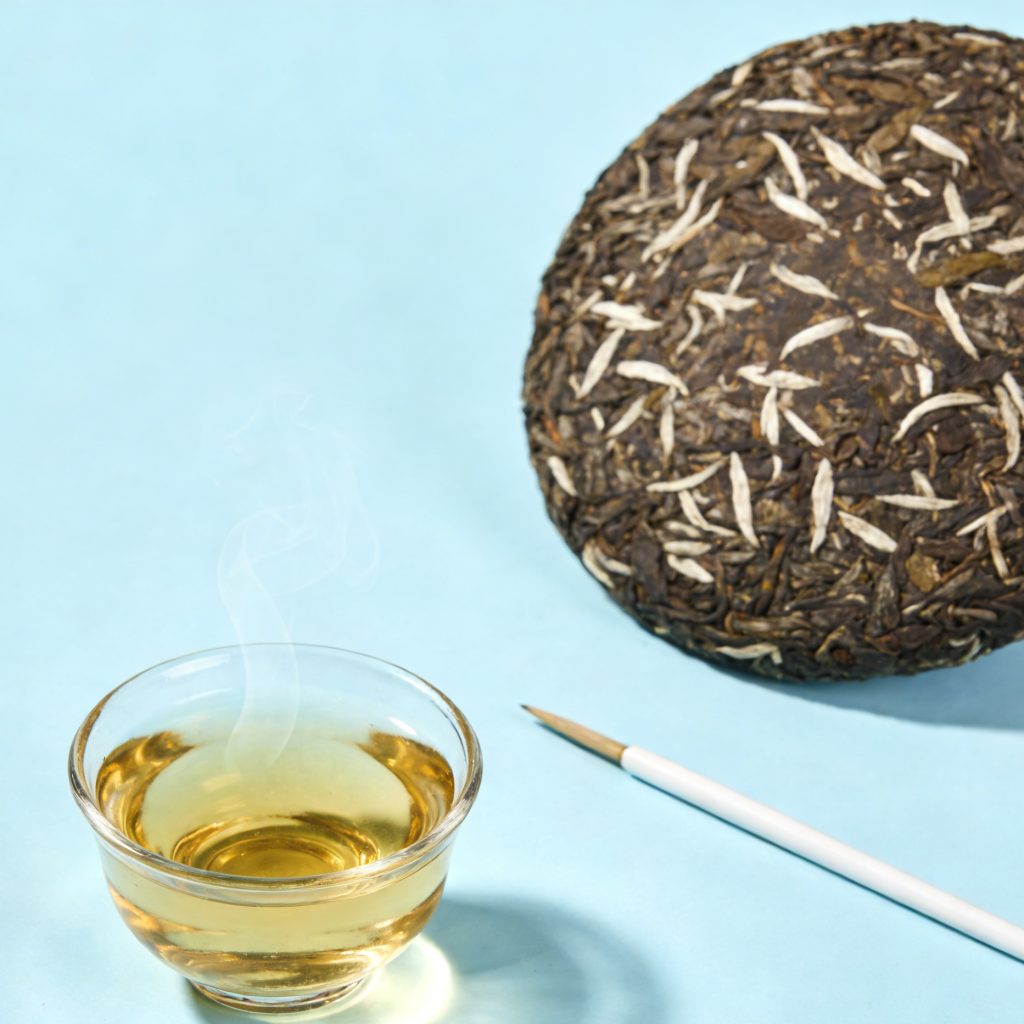
Pu’er Tea
Pu'er Tea is a type of fermented tea originating from Yunnan, China. It is known for its unique aging process, which can enhance its flavor and value over time.
There are two main types:
• Raw (Sheng) Pu'er: Naturally ages and develops a fresh, brisk taste.
• Ripe (Shou) Pu'er: Artificially fermented for a quicker, smoother, earthy flavor.
Often compressed into cakes or bricks, Pu'er is prized for its rich taste, potential health benefits, and cultural significance in Chinese tea traditions.